NASA Engineer Reveals The 17-Hour "Mechanical Fix" For Bone-on-Bone Knee Pain
Retired Robotics Expert Robert Hale Discovered Why Traditional Treatments Fail to Stop Cartilage Friction — And the Simple Space-Tech Ritual That Can Restore Joint Lubrication Naturally.
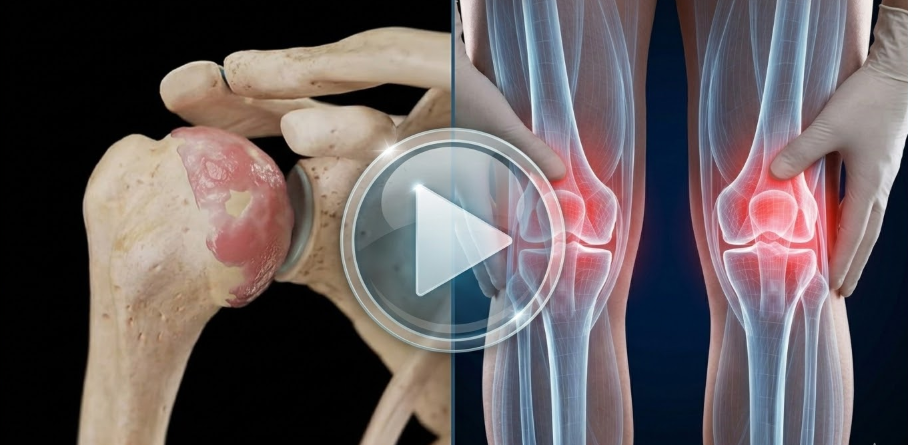
- The "Robotic Failure" Secret: How space-tech engineering identified the real cause of bone-on-bone friction.
- Beyond Aging: Why your "worn-out" cartilage may just be a lubrication signaling error.
- The 17-Hour Window: How this simple daily habit starts restoring joint comfort faster than physical therapy or injections.
You may relate if you experience:
Grinding or cracking when walking
Pain when climbing stairs
Stiffness when getting out of bed
A recent “bone-on-bone” diagnosis
Pressure or swelling around the knee
pain when standing after sitting
Why Bone-on-Bone Knee Pain Happens
Most people are told knee pain is simply part of aging. But many orthopedic researchers now believe something else happens first. Inside every joint there is a natural lubrication system responsible for:
Protecting cartilage
Reducing bone friction
Absorbing joint pressure
Regulating inflammation.
When this lubrication system slows down…
Cartilage begins to thin.
Eventually leading to what doctors call:
Bone-on-Bone Knee Degeneration
The Real Issue May Be Joint Lubrication Failure
Biomechanical studies suggest knee degeneration accelerates when the body stops producing enough synovial fluid.
This fluid works like oil in a hinge.
Without it:
cartilage begins to dry out.
bones start rubbing together.
joint pressure increases
inflammation spreads
But researchers recently began studying natural compounds that may help support the body’s ability to restore joint lubrication and cartilage protection.
Which is why many people report improvements sooner than they expected.
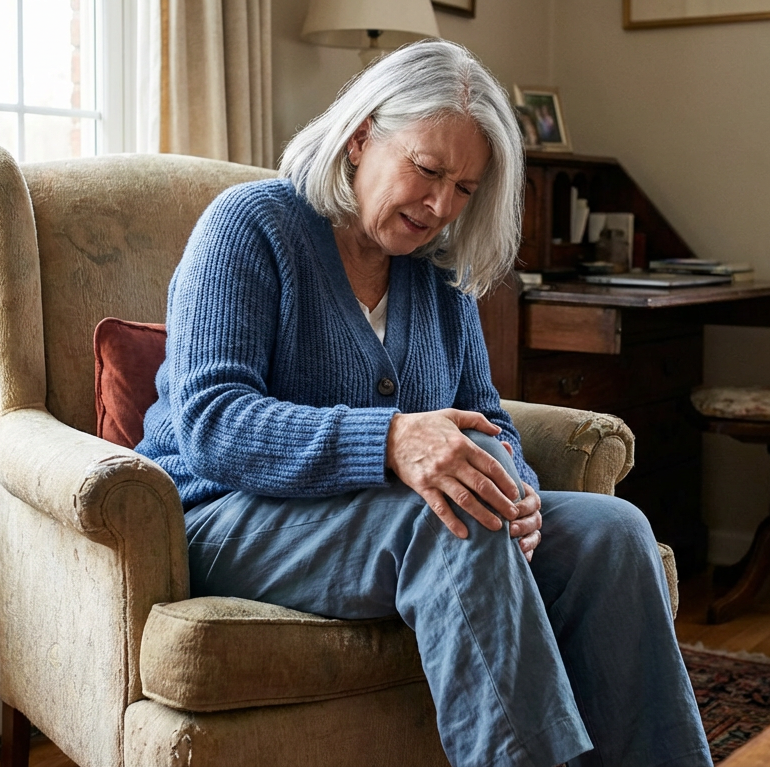
What May Happen When Joint Lubrication Improves
People supporting their joint lubrication system often report improvements like:
• walking longer without grinding pain
• climbing stairs with less knee pressure
• standing up with less stiffness
• walk longer without knee grinding
• reduced bone-on-bone friction hesitation
Some even say they were able to delay discussions about knee replacement surgery.
A Short Presentation Explains This Joint Lubrication Discovery
Thousands of people dealing with cartilage damage are now learning about this approach.
The short presentation explains:
what may actually cause bone-on-bone knee pain
how joint lubrication affects knee mobility
why cartilage breaks down over time
what researchers are studying to support cartilage protection
Frequently Asked Questions
What is bone-on-bone knee pain?
Bone-on-bone knee pain occurs when cartilage in the knee joint becomes severely worn down, allowing the bones to rub against each other during movement.
Can cartilage damage be reversed?
Cartilage regeneration is complex, but supporting joint lubrication and reducing inflammation may help improve comfort and mobility.
What causes cartilage loss in the knee?
Cartilage loss may occur due to aging, inflammation, injury, or reduced production of synovial fluid inside the joint.